A pond is more than a patch of water in the garden or by a home. It gives fish a place to live and offers birds and other wildlife a spot to visit. But this small world needs care. When water stays still for too long, oxygen can fall, and waste may collect below. The good news? Simple steps can help. With the right setup and regular checks, pond owners can support cleaner water and create a better space for life to grow.
Hidden Cost Of Stagnant Ponds
Still water may seem peaceful, but it can hide problems. Leaves sink, plants decay, and fish waste settles on the pond bed. As this material breaks down, it uses oxygen. Warm days can make the issue worse, leaving fish with less air to breathe. Poor water may also develop a strong smell. Good Pond Management Waterford starts with spotting these changes early. A close look at fish, water colour, and waste can help owners act before a small issue turns into a larger one.
Bring Movement Into The Mix
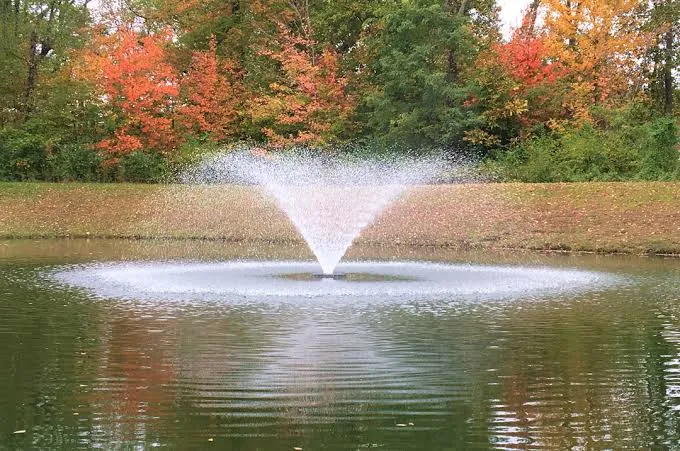
Water needs movement to help spread oxygen from one area to another. In deeper ponds, the surface may have enough oxygen while the bottom holds far less. An aerator can help mix these layers and improve conditions below. Some units send bubbles up from the base, while fountains stir the surface. Each option works in a different way. The pond’s depth, shape, and fish load should guide the choice. The aim is simple: help more of the pond support life.
Make Room For Nature’s Cleaners
Tiny living things do a lot of work in a pond. Helpful bacteria break down waste from fish, dead plants, and other organic matter. They need oxygen to keep this process going. When oxygen is low, waste can build up and cause bad smells. Better water movement can support these natural cleaners and help the pond stay in better shape. However, aeration alone will not stop every algae bloom. Too many nutrients, lawn run-off, and excess fish food may still need to be dealt with.
Choose Gear That Fits
The right equipment should match the pond, not just the budget. A small garden pond has different needs from a deep pond filled with fish. A weak unit may fail to move enough water, while a poorly placed one can leave areas untouched. Suitable Aeration Systems help spread oxygen where it is needed. Owners should also think about power use, noise, and routine care. A well-chosen setup can work steadily without wasting energy or creating extra work each season.
Keep Daily Care Simple
A few basic habits can help protect the water. Remove fallen leaves before they rot, keep grass cuttings out of the pond, and feed fish only what they can eat. Check the pump and air lines from time to time. Look out for fish gasping at the surface, unusual smells, or sudden changes in water colour. These signs may point to low oxygen or another issue. Acting early can save time and help avoid costly repairs or major pond treatments later.
Conclusion
A thriving pond needs care beneath the surface as well as around its edges. Good oxygen flow helps fish breathe and supports the tiny organisms that break down waste. The right equipment, paired with simple cleaning habits, can improve water movement and support a healthier pond. Check the system often and watch for signs of change. Small actions, done at the right time, can help keep the water in good shape through warm days and changing seasons.