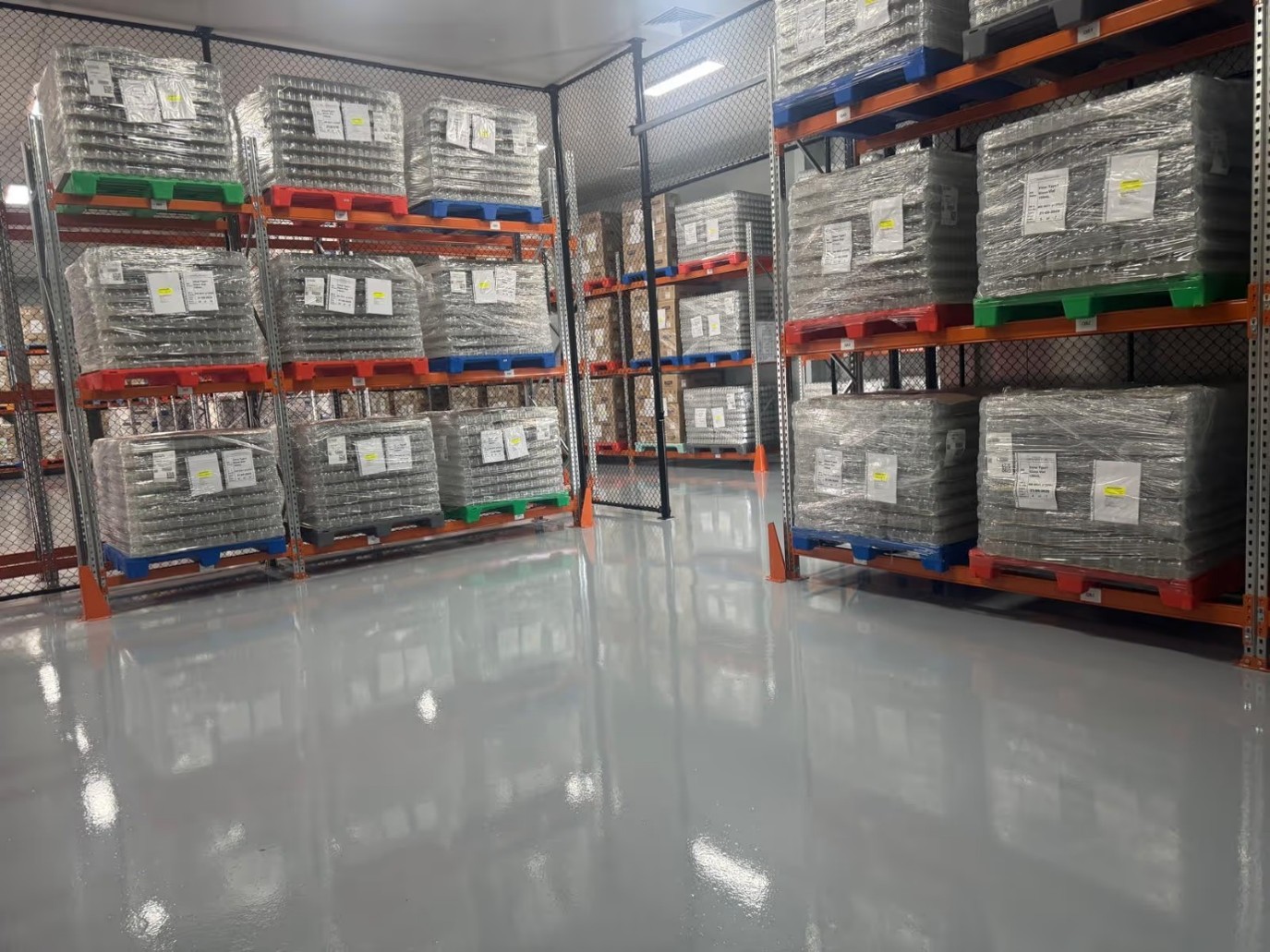
Porous concrete basements and damp domestic cellars are often the frustration of owners who need to maintain an organised garage layout. Spreading a thick, industrial epoxy grout layer blocks microscopic pores, so leaked transmission fluids or grease marks can’t permanently stain the stone. Raw masonry foundations shed fine chalky dust particles constantly when heavy vehicles roll over untreated areas day after day. Liquid plastic mixes form a seamless, incredibly dense surface shell that handles constant foot traffic, heavy lawn care equipment, and harsh winter elements without cracking apart. Adding textured aggregates into the mixing bucket before pouring helps lower major slip and fall hazards when rain blows across your open parking bays.
Why High Traffic Home Zones Need Real Structural Mass
Applying cheap, single-part acrylic water-borne paints usually results in messy, bubbling patches when hot car tyres park on top of them. Investing in an industrial-strength garage floor coating compound completely halts that irritating hot-tyre pick up where the plastic film separates from the stone under vehicular weight. Chemical solvents, aggressive radiator coolants, and brake clean spray can melt through standard floor paints within a single afternoon of intense project work. High-grade liquid polymer matrices cure into an inert, shield-like layer that easily turns cleaning chores into a rapid wiping routine using basic microfibre floor towels. Preventing chemical absorption keeps the primary foundation strong and preserves the indoor air quality by stopping nasty petrochemical fumes from lingering inside.
Critical Machine Grinding Tasks for Proper Adhesion
You must mechanically abrade the smooth top skin of your concrete slab before trying to roll out any liquid plastics. Skipping this loud diamond grinding process means your expensive multi-layer epoxy floor coating system will likely lift or blister away in large chunks down the track. Professional tradespeople operate heavy walk-behind planetary floor machines with diamond bits to scour away curing compounds, old sealers, and embedded engine contaminants. Vacuum shrouds keep fine silica particles out of the air while opening up tiny pores for deep chemical anchoring. Sealing long structural hairline cracks with dense gel fillers keeps the top layer flat and stops thin fluid mixtures from sinking out of sight.
Proper Distribution Methods for Coloured Accent Flakes
Tossing coloured vinyl chips up into the air over the wet base coat takes a loose, steady, rhythmic movement to look correct. Creating an even spread across the entire workspace floor avoids weird, patchy sections that show up looking completely bare under bright ceiling LED lights. This traditional style of speckle-textured garage floor coating demands a thick protective clear coat over the vinyl chips to prevent raw edges from catching dirt. The final polyurethane clear layer acts as a barrier against solar ultraviolet rays so your exposed patio thresholds won’t turn a nasty yellow shade after a single summer. The heavy combined coating thickness absorbs sudden impact shock forces when you drop metal hand tools onto the deck.
Fast Cleaning Routines for Restoring Gloss Layers
Keeping your finished high-build polymer floor looking brand new does not require heavy scrubbing machines or harsh bleaching detergents. Homeowners must avoid highly concentrated citrus degreasers or metal bristle brushes because they can scratch and cloud the glossy clear wear shield permanently. A quick weekly sweep removes sharp pebbles and abrasive soil grains that act like sandpaper under heavy shoe soles over extended periods. Mixing a splash of neutral liquid dish soap into a bucket of lukewarm water keeps the original mirror-like lustre looking incredible. Mopping up battery acid spots fast protects the seamless aesthetic value and prevents localised chemical staining across your main walking pathways.
Addressing Ground Moisture Concerns Under Polymer Seals
Microscopic water vapour travelling upward through the earth creates immense hydrostatic pressure directly against the underside of sealed interior floors. Testing concrete slabs with plastic sheet tests or digital electronic metres reveals hidden moisture issues before you ruin expensive chemical resins. Laying down a dedicated deep-penetrating water mitigation primer prevents lifting because it cuts off capillary vapour action completely before the main epoxy floor coating goes down. If you ignore high water vapour readings, the escaping gases will blow small blisters into your smooth topcoat while it cures overnight. Taking this extra technical precaution protects your entire improvement investment and ensures the liquid synthetic material stays fused to the masonry forever.
Conclusion
Upgrading a dusty domestic workshop layout gives families a highly clean environment that handles massive automotive weight loads without tracking white powder into their living areas. Homeowners can browse through a wide range of durable colours and flake styles by visiting johnsonsflooring.com.au to discover modern solutions for their personal utility spaces. Scheduling a proper garage floor coating installation eliminates the ongoing stress of dealing with permanent fluid stains and crumbling, unsealed foundation paths. Working with an experienced local specialist application crew prevents common bubbling mistakes and ensures correct mechanical bonding chemistry across your raw concrete floor. Reach out to our technical coating experts today to book an independent site estimate and discuss your upcoming property upgrade project.