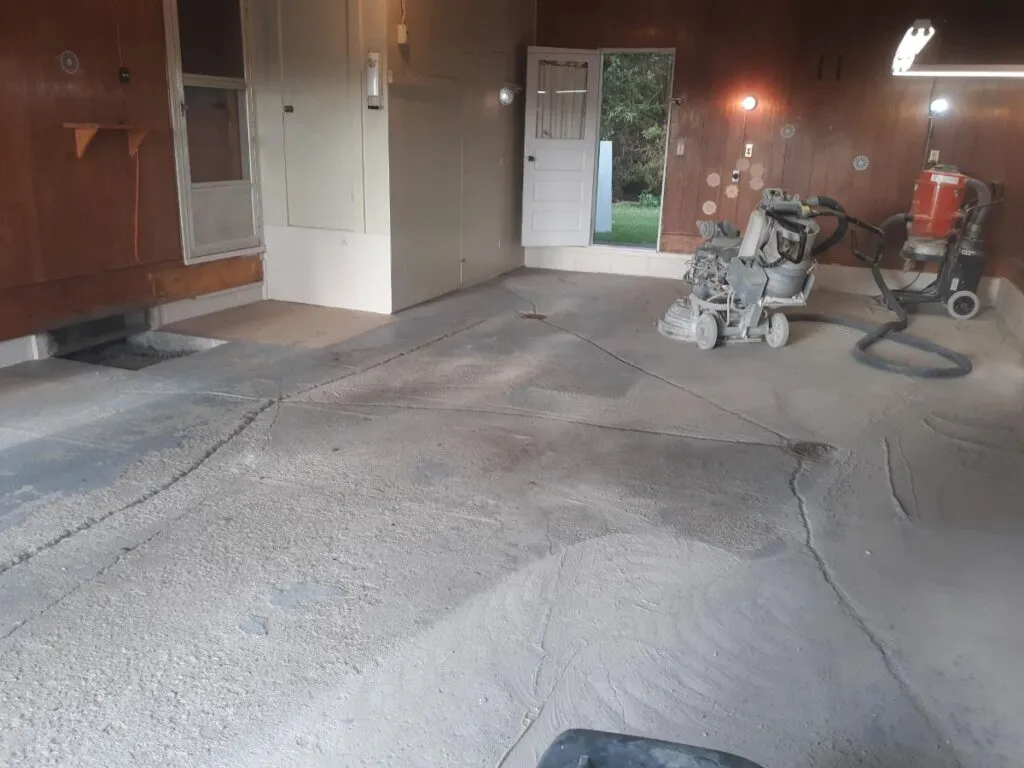
Few upgrades promise as much durability as epoxy flooring, yet results vary widely from one property to the next. Two floors installed in the same month can age very differently, depending on what happened beneath and above the coating. Understanding the factors that control longevity helps you ask better questions, compare proposals honestly, and avoid disappointment. This article breaks down the real variables that decide whether a finished floor looks sharp for a decade or starts failing within a couple of years.
Moisture and Slab Condition
Moisture is the quiet enemy of every coating. Concrete is porous, and vapor can travel upward through a slab, pushing against the bond between coating and surface. Over time, that pressure creates bubbles, blisters, and cloudy patches. A reliable contractor tests the slab before work begins and chooses a primer designed for the conditions found. Ground-level slabs, basements, and floors without a vapor barrier deserve extra scrutiny, because hidden moisture can undo an otherwise flawless installation. Testing is cheap compared with redoing a floor.
Thickness and Layering
Thickness and layering shape how a floor handles abuse. A thin film may look glossy on day one but wears through quickly under steady traffic. Multi-coat systems build a protective body, usually combining primer, a pigmented or flaked base, and a clear topcoat. Each layer has a job, from bonding to coloring to resisting scratches. When comparing quotes, ask what products are used, how many coats are applied, and what total film thickness you can expect once everything has fully cured.
Traffic Patterns and Wear Zones
Wear is rarely even across a floor. Turning tires, dragged tools, and pivoting feet concentrate stress in predictable zones, especially near entrances and parking spots. A well-specified garage floor coating accounts for these hot spots with the right texture and a tough clear layer. In a workshop, the area around a bench sees constant scuffing, while a storage corner may stay pristine for years. Matching the system to your real usage pattern is smarter than buying the most expensive option available.
Chemical Exposure and Impact
Spills and impacts test a coating differently than foot traffic does. Motor oil, brake fluid, cleaning solvents, and fertilizer can stain or soften inferior finishes, while dropped tools can chip brittle ones. Chemical resistance and impact toughness are separate qualities. A properly cured, chemical-resistant topcoat resists many of these hazards, though prompt cleanup still matters. Think about what actually touches your floor. A hobby mechanic faces different threats than a family that simply parks two cars, and the product choice should reflect that difference.
Application Conditions Behind the Scenes
Even great materials fail when applied in poor conditions. Temperature, humidity, and dew point all influence how a coating flows, bonds, and cures. Installing on a cold, damp slab can cause pinholes or a hazy finish, while excessive heat can shorten working time and leave marks. Skilled crews monitor conditions, adjust their mix, and sometimes reschedule rather than force a job. That patience rarely shows in a quote, yet it quietly affects how the floor looks and performs long after the crew has left.
Warning Signs of Early Failure
Catching trouble early keeps small flaws from becoming large repairs. Watch for lifting edges, hairline cracks that spread, dull patches in high-traffic zones, and bubbles that return after being pressed down. A floor that looks cloudy after cleaning may be losing its topcoat. Regular inspections every few months take only minutes. Photograph anything unusual and contact your installer promptly, because many issues can be addressed with a recoat or spot repair if handled before moisture and dirt creep underneath the surface.
Maintenance Habits That Extend Life
Longevity also depends on what happens after installation. Sweep or dust mop regularly, since grit acts like sandpaper under shoes and tires. Wash with a mild, pH-neutral cleaner and a soft mop, avoiding harsh acids and abrasive pads. Place mats beneath heavy equipment and use furniture glides in living areas. Wait the recommended cure time before heavy use. These habits cost almost nothing, yet they can easily add years of good looks to a floor you paid real money for.
Conclusion
A durable coated floor is the sum of many small decisions, from slab testing and layered materials to careful application and steady upkeep. Understanding those variables puts you in control when reviewing proposals and caring for the finished surface. If you want to see how a professional team approaches these details, explore the work and services at avid-epoxy.com and ask questions before committing. Informed choices today are what keep a floor looking dependable long after the installation day fades from memory.