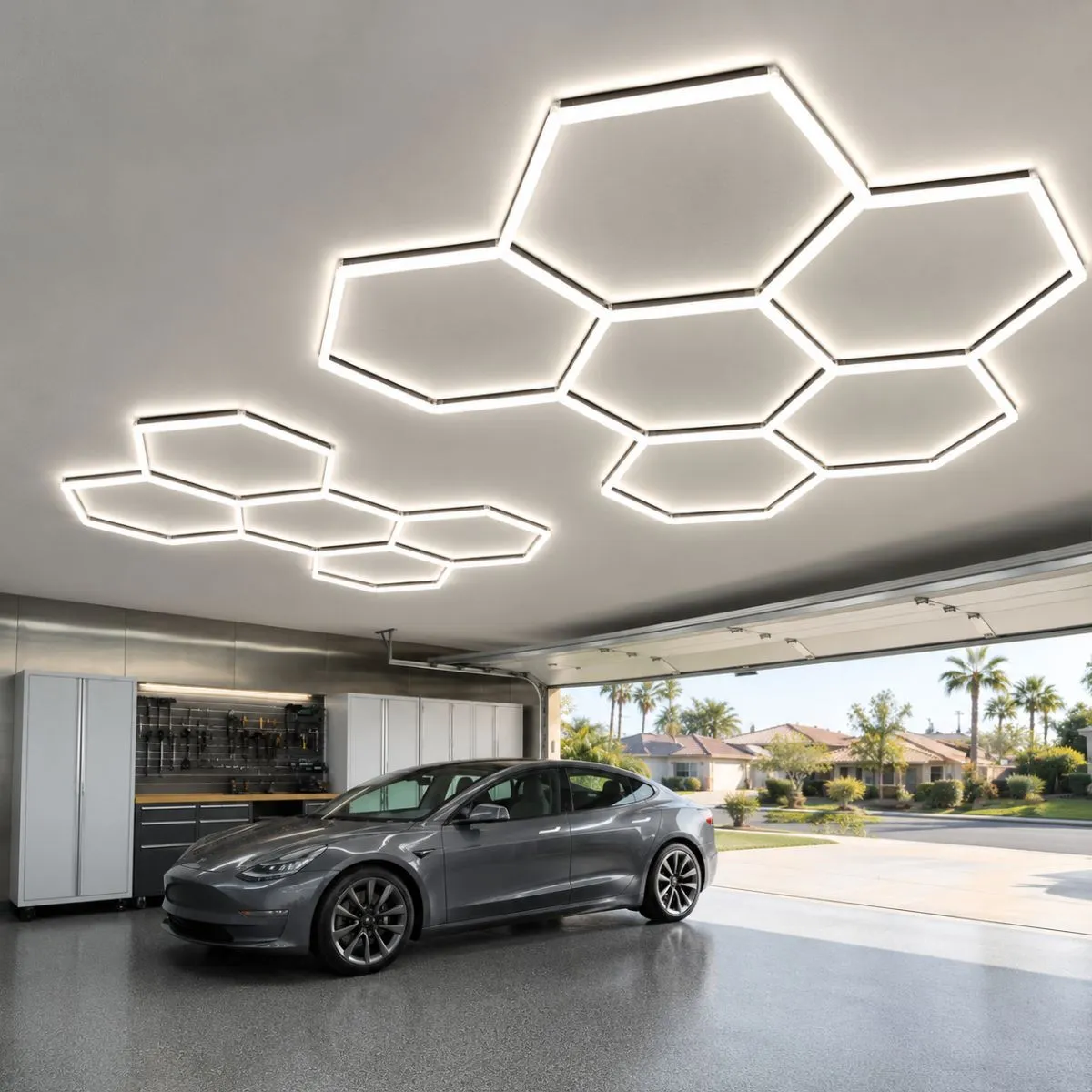
A metallic floor looks spectacular in photographs, but a garage is more than a floor. Wall color, lighting, cabinets, and cars all influence how the finish appears. Planning a metallic epoxy garage as a complete room, rather than a single feature, produces a space that feels designed instead of improvised. This article looks at how the elements combine.
Start With the Lighting Plan
Metallic surfaces are essentially light collectors. Bright, even illumination makes pigments shimmer, while dim bulbs leave the floor looking flat. Overhead panels or linear fixtures spaced across the ceiling create broad, glowing reflections.
Consider color temperature. Cool white emphasizes silver, blue, and grey tones, while warmer light enhances copper and gold. Test lighting before the floor is finished, since changing fixtures later can alter the whole mood.
Wall Colors That Support the Floor
Neutral walls let the floor lead. Soft grey, white, and charcoal frame metallic effects without competing. Bold wall colors can clash with swirling patterns, so restraint tends to look more refined.
Glossy wall panels reflect the floor and amplify the showroom feel. Matte walls reduce glare and hide small imperfections. Pick based on how much reflection you enjoy and how much cleaning you accept.
Choosing a Pattern Direction
Floors can feature gentle clouds, dramatic ribbons, or a lava-like marbling. A garage floor epoxy swirl design tends to be especially lively, with movement that draws the eye across the room. Calmer patterns suit smaller spaces.
Discuss intensity with your installer. Provide photos of looks you like, and ask what is realistic. Because pigments flow organically, results vary, so agree on a general direction rather than an exact copy.
Storage That Does Not Fight the Floor
Cabinets and shelving should feel quiet beside a decorative floor. Slim profiles, matching tones, and handleless doors keep visual noise low. Wall-mounted systems leave more of the floor visible.
Avoid placing heavy items directly on the surface for long periods. Use pads, and keep chemical containers in drip trays. Smart storage protects the finish and preserves the open, polished look.
Showing Off the Vehicles
Cars look dramatic on reflective floors. Parking positions matter, so leave open areas for bonnets and doors to swing. Mark tire spots subtly if you want consistent placement.
Consider display lighting such as wall washers or spotlights. They highlight paint and bodywork without causing harsh glare. A deliberate arrangement turns a parking space into a small private gallery.
Practical Performance Under the Beauty
Appearance must be backed by durability. A quality system includes proper preparation, a strong base, and a clear urethane topcoat that resists abrasion, chemicals, and hot tires. Ask about thickness and warranty.
Slip resistance deserves thought. Gloss can be slick when wet, so request a fine anti-slip additive in areas near doors and wash zones. Beauty should never come at the cost of safety.
Cleaning and Showroom Standards
Keep a soft broom, microfiber mop, and neutral cleaner handy. Quick weekly passes prevent buildup, and spills should be wiped immediately. Avoid harsh solvents and abrasive tools.
For events, polish with a recommended maintenance product. A bright, clean surface elevates everything around it. Regular care keeps the garage looking presentable on short notice.
Conclusion
A showroom garage comes from coordinated decisions: lighting, walls, pattern, storage, parking layout, and a durable system. Plan these elements together, and the metallic floor becomes part of a cohesive, impressive space.
To discuss ideas and plan your own garage, visit Uniquecoatingsandpolishing.com and speak with the team.