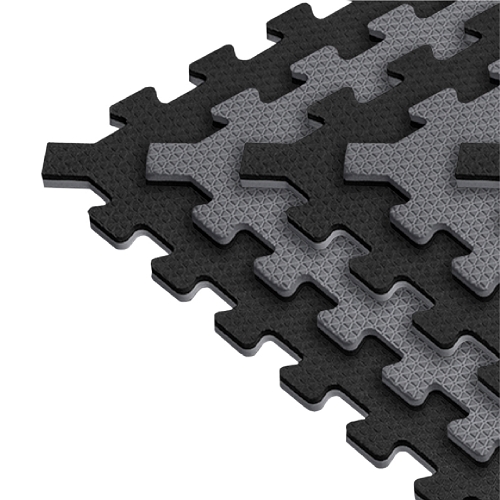
Flooring often affects how comfortable, safe, and functional a space feels, yet it is sometimes overlooked until problems begin to appear. Hard surfaces can become uncomfortable during long periods of standing, slippery in busy areas, or unsuitable for spaces designed for children, exercise, or workshops. This is one reason foam flooring has become increasingly popular in homes, gyms, garages, and commercial environments. Lightweight, flexible, and easy to install, foam-based flooring offers a practical solution for people looking to improve comfort without major renovation work.
Why Flooring Comfort Matters More Than People Expect
Many people only think about flooring when damage occurs or surfaces become difficult to maintain. However, the type of flooring used can directly affect comfort, safety, and even productivity.
Hard concrete or tile floors may feel durable, but they often become uncomfortable during extended standing or physical activity. In home gyms, children’s areas, or workspaces, harder surfaces may also increase the risk of slips or minor injuries.
This is where softer flooring solutions often make a noticeable difference. Foam materials provide extra cushioning while helping reduce pressure on joints and feet.
For spaces where comfort matters as much as durability, flooring choice becomes more important than many people realize.
Why Foam Flooring Is Used in So Many Spaces
One reason foam flooring continues growing in popularity is its flexibility. Unlike permanent flooring systems, foam tiles are often easy to install, move, and replace.
People commonly use foam flooring in:
- Home gyms
- Playrooms
- Garages and hobby spaces
- Fitness studios
- Home offices
- Workshops requiring additional comfort
Because the material provides cushioning, it often works well in areas where standing, movement, or impact happens regularly.
It can also help reduce noise, making spaces feel quieter and more comfortable.
How Interlocking Foam Tiles Improve Convenience
For people wanting a practical flooring upgrade without complex installation, interlocking foam tiles often provide an easy solution. These tiles connect securely without requiring glue or permanent changes to existing floors.
The modular design offers flexibility because sections can be added, removed, or replaced if needed.
Interlocking systems are often chosen because they:
- Install quickly without specialist tools
- Help protect underlying flooring surfaces
- Provide cushioning for comfort and safety
- Offer flexibility for different room sizes
- Are easier to clean than carpets in active spaces
For temporary or evolving spaces, this flexibility often becomes one of the biggest advantages.
Choosing Foam Flooring for Different Needs
Not all foam flooring serves the same purpose. The best option usually depends on how the space will be used.
For Home Gyms
Thicker foam helps absorb impact during exercise while providing extra support for joints during workouts.
For Children’s Play Areas
Soft surfaces help reduce bumps and provide a safer environment for active play.
For Workspaces
Anti-fatigue support can improve comfort for people standing for long periods.
For Garages or Hobby Areas
Foam flooring may provide additional comfort while protecting floors from scratches and minor impact.
Thinking about daily use often helps narrow down the most practical flooring option.
Why Easy Maintenance Matters
Practical flooring should not only feel comfortable—it should also be manageable to maintain. Foam flooring often appeals to households and workplaces because cleaning is generally straightforward.
Many foam surfaces resist moisture and can be cleaned using simple methods such as sweeping or wiping. Individual damaged tiles can also often be replaced instead of redoing the entire floor.
This makes foam particularly useful for high-use spaces where spills, movement, or regular activity are common.
Low maintenance often becomes a major reason people continue choosing foam solutions over more permanent flooring options.
Balancing Comfort and Durability
Some people assume soft flooring sacrifices durability, but modern foam materials are designed to handle a range of environments. Thickness, density, and material quality often influence how long flooring performs effectively.
Higher-density foam generally works better in active environments where surfaces experience regular pressure.
Rather than focusing only on appearance, considering long-term practicality often leads to better results.
The right flooring should feel suitable for how the space is actually used each day.
Conclusion
Flooring influences comfort, safety, and functionality more than many people expect. Foam flooring offers a practical option for spaces requiring extra support, flexibility, and easier installation. Whether used in gyms, workshops, playrooms, or home spaces, interlocking foam systems can improve comfort while protecting existing floors. For practical flooring solutions designed for active environments, Norsk-Stor.com continues to provide useful options for improving everyday spaces.